VARASTATUD KOHTUMINE
A STOLEN MEETING
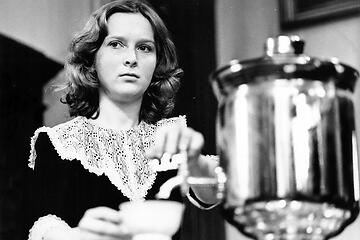
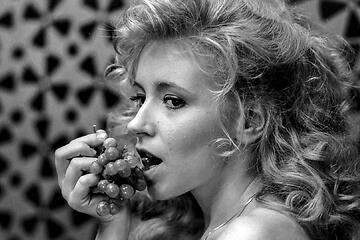
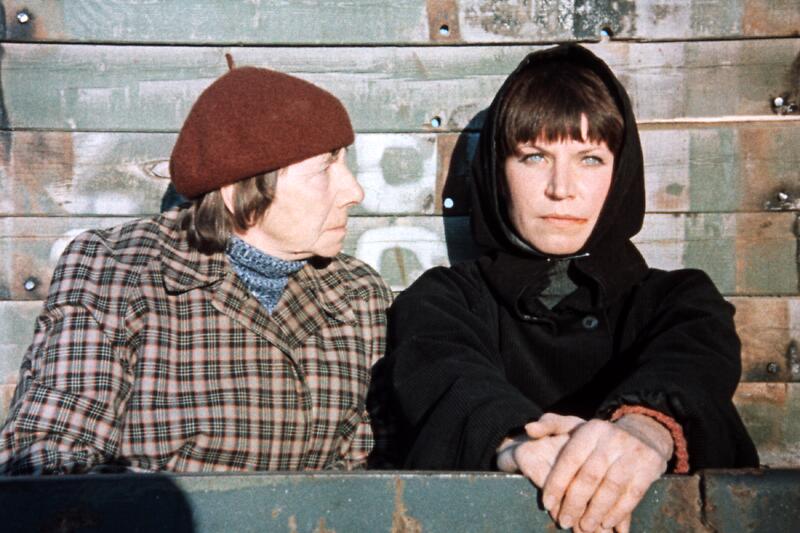
Laius earned her place in the film world, which at the time—especially within Soviet cinema—was strongly dominated by men. She brought to the screen unidealized stories of compelling female protagonists and explored themes such as motherhood and the position of women in society. As in her earlier films, Stolen Meeting is centered on a strong female character, here convincingly portrayed by Maria Klenskaja. Her Valentina is a tough woman hardened by fate and society, who has faced lifelong hostility and social stigma. Yet beneath her rough exterior lies a deep longing for love and home, with the hope of reuniting with her son as her driving force. Stolen Meeting was digitally restored to mark the centenary of Laius’s birth.
Text: Lenka Tyrpáková
Thu 06.11. I 16:00 I WELTSPIEGEL SAAL 3 I original version with English and German subtitles
Maria Zverjeva
Jüri Sillart
Lepo Sumera
Kaie Mihkelson, Lembit Peterson, Sulev Luik, Maria Klenskaja
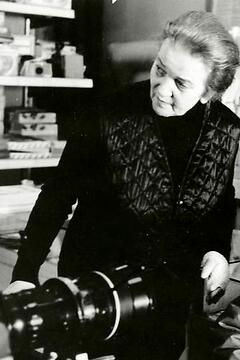
Leida Laius - LEIDA LAIUS was born March 26, 1923, in the village of Horoshevo near Kingissepp (formerly Jamburg) and died in 1996 in Tallinn.
1940 – Volunteered for the Red Army to work as a medic and librarian.
1950 – Graduated from the Estonian SSR State Institute of Theatre.
1951 – 1955 Was an actress at the V. Kingissepp Drama Theatre RAT.
1955 – Entered the directing program at the Gerasimov Institute of Cinematography (VGIK), which she successfully completed.
1960 – Began working at Tallinnfilm studio.
Laius's feature film legacy forms a very unified whole, where similar themes come up again and again in different films: strong female stories, mysterious relations between husband and wife, challenges of being a wife and mother etc. In some ways, the themes of a woman’s life and development in Leida Laius’s films are universal and comprehensible to people all around the world. Her work vividly reflects the development of Estonian film art. Laius was a strong player in the masculine film world of the time. Almost all of Leida Laius’s films stand out for strong acting performances, and not only in the lead roles. She knew how to get both experienced actors as well as beginners or amateurs to play brilliantly in her films. Her own prior acting education probably helped her understand and work with actors.
1962 From Evening to Morning
1965 The Milkman of Mäeküla
1968 Werewolf
1973 Ukuaru
1979 The Master of Kõrboja
1985 Smile at Last
1988 A Stolen Meeting
1975 A Human is Born
1976 Childhood
1978 Tracks on Snow
1983 Kind Hometown Spirits